FROM RUNWAY TO SPACE
PlatformsDefense
Let’s talk
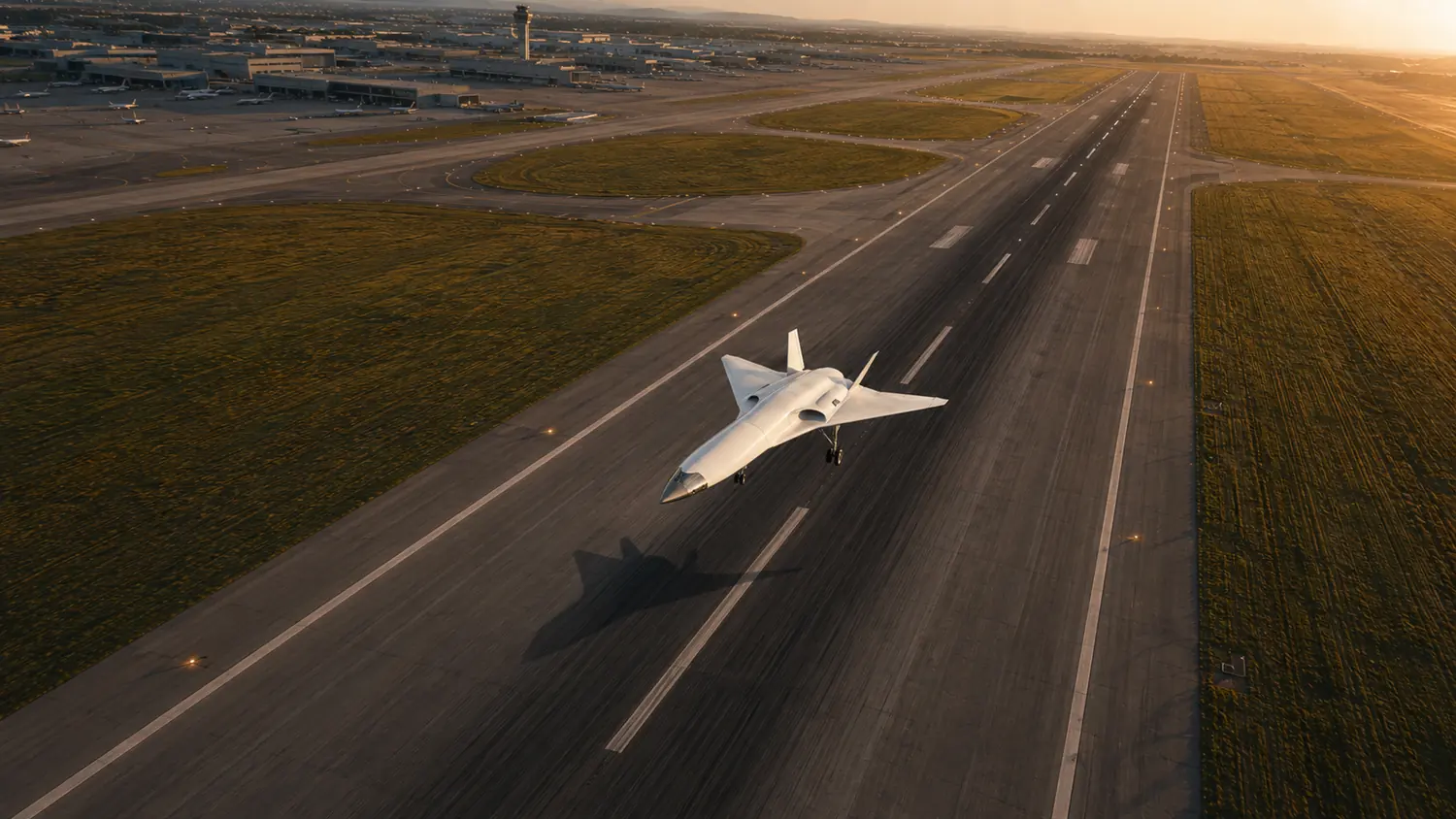
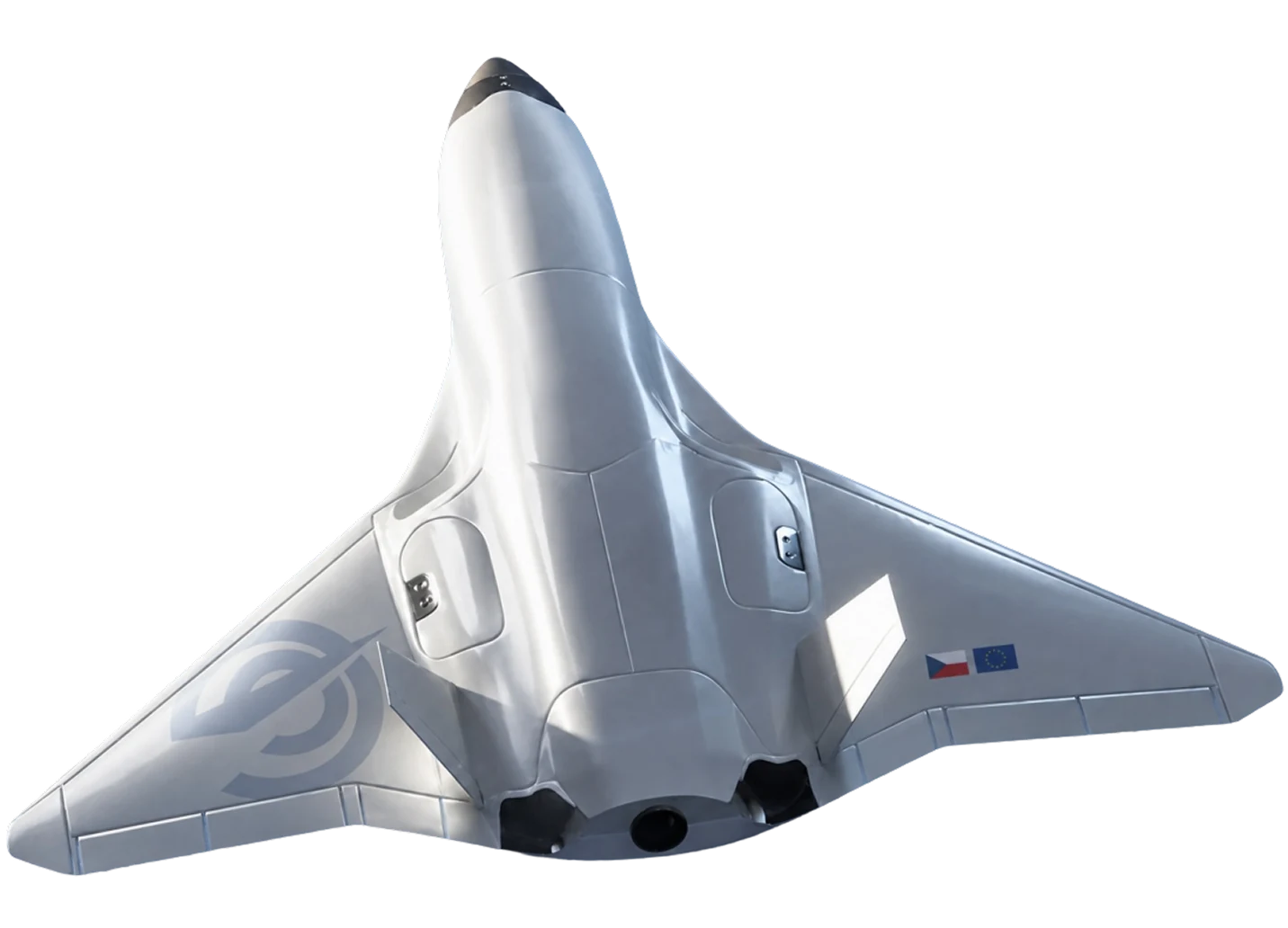
Runway flight visual of the long-term spaceplane concept

Aerospace platforms

A jet-powered drone in development for research, industry and defense. A reusable suborbital spaceplane is our next development goal.

Explore the platforms

The jet-powered drone and spaceplane have different missions and development horizons. Concept imagery shows the long-term vision; demonstrator designs will evolve. Figures below are development targets.

01EDF

Validate the aircraft

Electric demonstrator

EDF development is planned from 2027. The first demonstrator will validate aerodynamics, stability and control, with early avionics and payload testing before jet propulsion is introduced.

Next milestone
Establish the basic flight behaviour and evaluate the flight-control systems.
Potential applications
Aerodynamic and avionics research; early experimental flight work.
Roadmap target
Approximately 25 kg aircraft mass is an initial design estimate.

Status First planned flight-development stage. The exhibition concept model is separate from this demonstrator.
02TURBOJET

Introduce jet propulsion

Jet-powered demonstrator

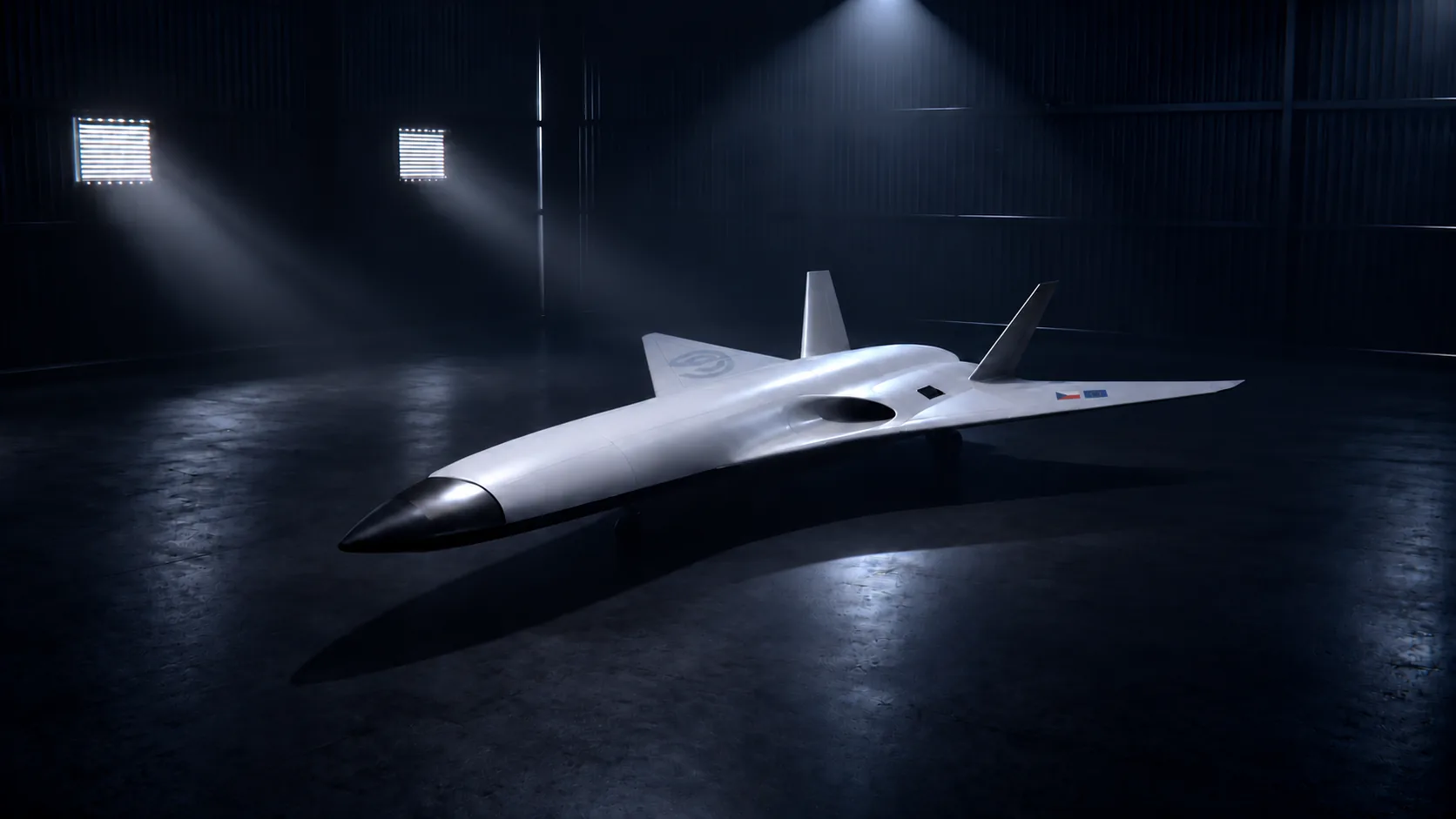
A European jet-powered platform in development for flight testing, remote-controlled missions and autonomous operation. Mission-specific variants could support research, industrial testing and defense.

Next milestone
Demonstrate the jet-powered configuration and develop flight-test experience.
Potential applications
Jet engines, sensors and avionics; airborne antennas, data links and navigation; air-defense training, radar tracking, reconnaissance and surveillance.
Roadmap target
Approximately 200–300 kg aircraft mass is a preliminary design range, not payload capacity.

Status Planned atmospheric platform. Mission-specific variants have not been demonstrated.

03JET + ROCKET

Jet and rocket propulsion

Combined-propulsion demonstrator

This stage brings aircraft and rocket-propulsion development together. The target is a first in-flight rocket ignition in Q1 2030, followed by testing of propulsion transitions within a subsonic flight envelope.

Next milestone
Demonstrate combined-propulsion flight before progressing to supersonic testing.
Potential applications
Propulsion research and experimental flight campaigns for industry and research organisations.
Roadmap target
The roadmap identifies approximately 10–15 km as a future altitude objective for this stage.

Status Planned integration stage. Combined-propulsion flight remains to be demonstrated.

04JET + ROCKET

Beyond the speed of sound

Supersonic demonstrator

Supersonic flight is a separate milestone after combined-propulsion operation. This stage is intended to extend the programme into a different speed and altitude regime and support further experimental work.

Next milestone
Demonstrate supersonic flight and expand the validated flight envelope.
Potential applications
Supersonic research in aerodynamics and materials, with communications and radar-technology testing as potential applications.
Roadmap target
Supersonic speed and altitude above 20 km are development objectives, not achieved performance.

Status Future development stage, dependent on the preceding flight-test programme.

05SUBORBITAL

Reusable suborbital flight

Reusable spaceplane

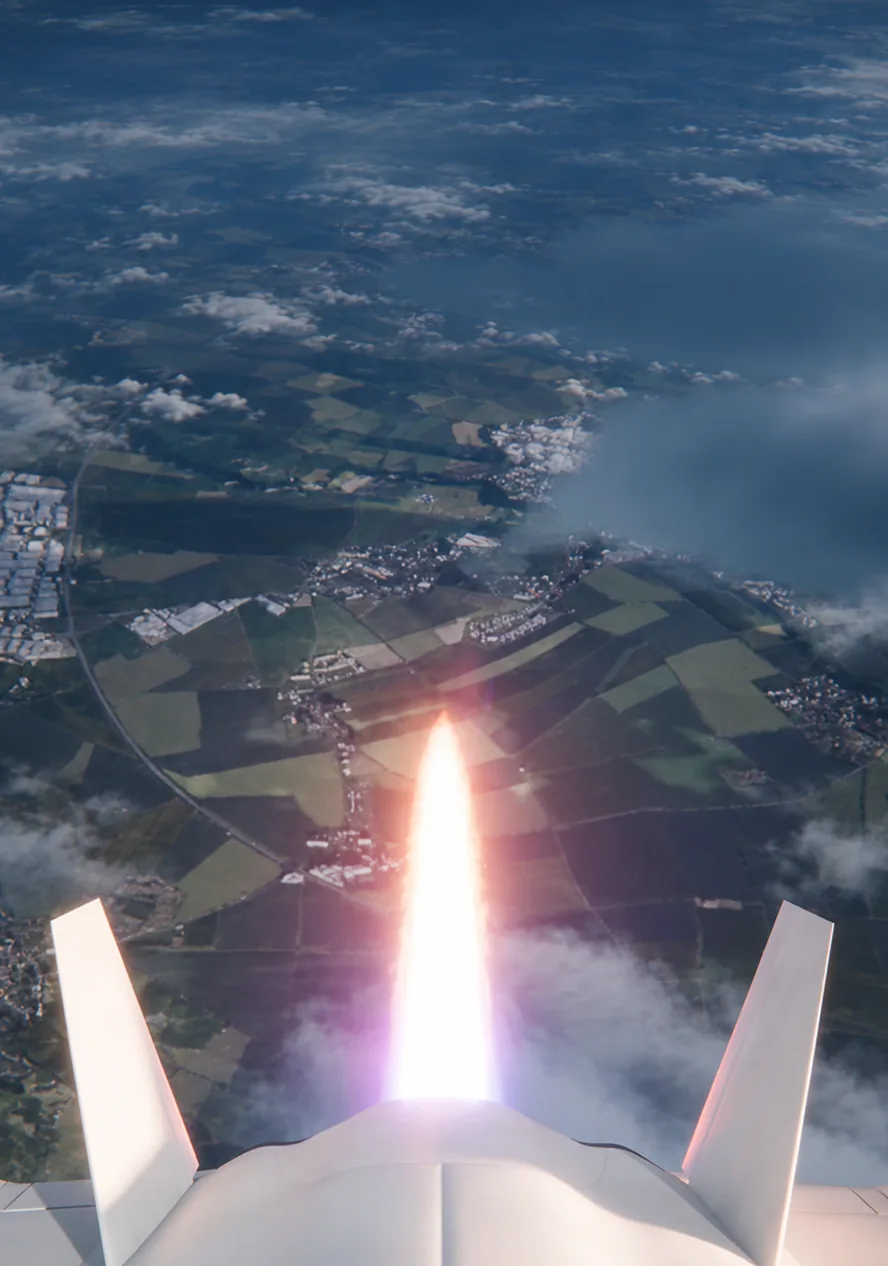
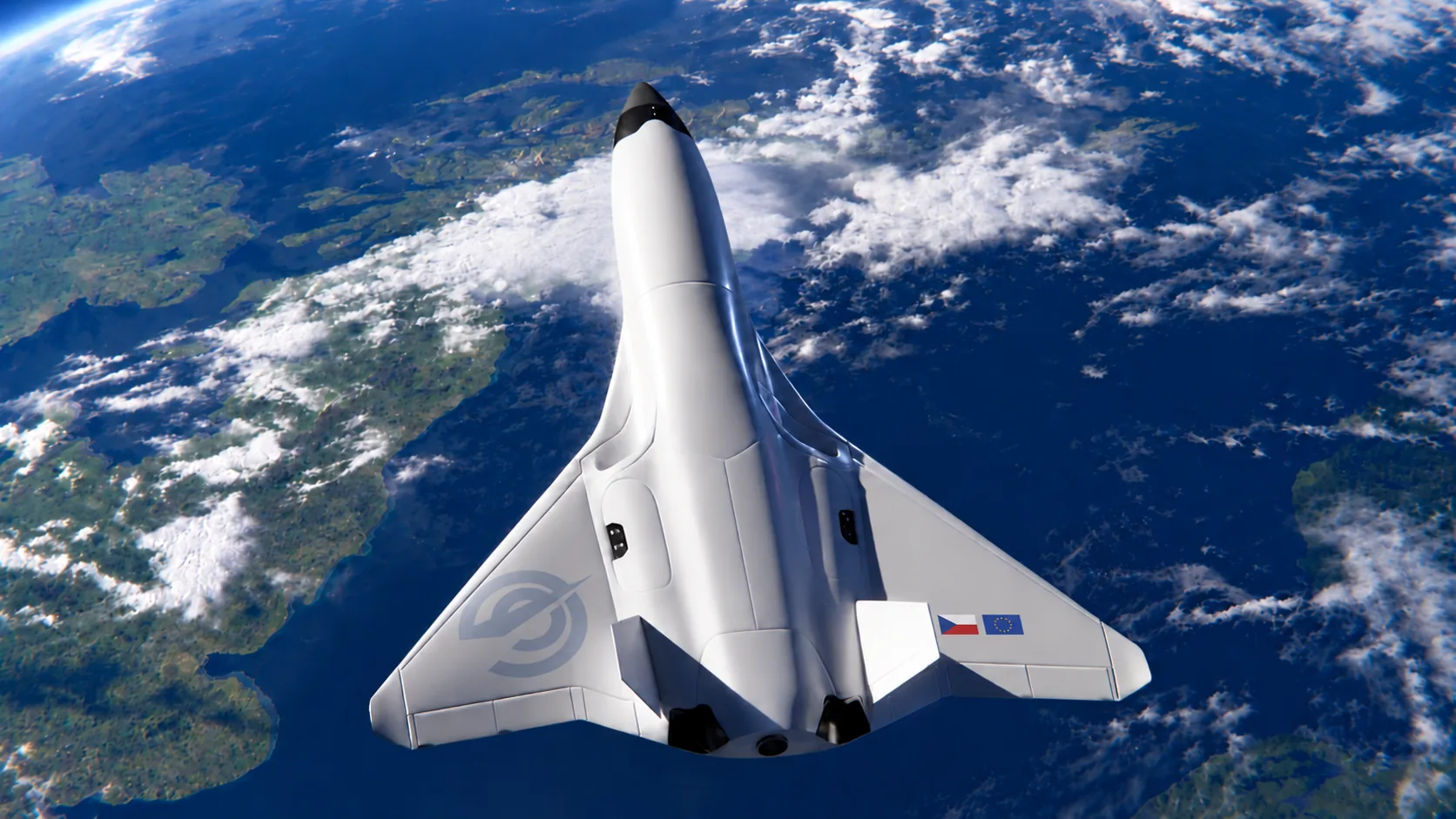
A reusable concept for flights to space and back without entering orbit. Two jet engines support runway operations; a central rocket engine provides the climb. The long-term target is repeatable suborbital access in Q3 2032.

Next milestone
Progress toward repeatable flights to the Kármán line and preparation for future operations.
Potential applications
Microgravity research in materials science, fluid dynamics and life sciences; high-altitude observation; sensor and avionics testing; payload return.
Roadmap target
Reaching the 100 km Kármán line is a long-term programme objective.

Status Long-term ambition. Suborbital flights and commercial flight services are not yet available.

Aircraft and engine development

Aircraft and rocket propulsion are developed in parallel. European components, simulation and additive manufacturing support design iteration before the systems are brought together for flight testing.

NEBESA spaceplane concept with the original wing markings

Aircraft development

Develop electric and jet-powered demonstrators for flight testing and mission-specific applications. Jet-only variants could use the rocket system’s space and mass allowance for extra fuel or payload.

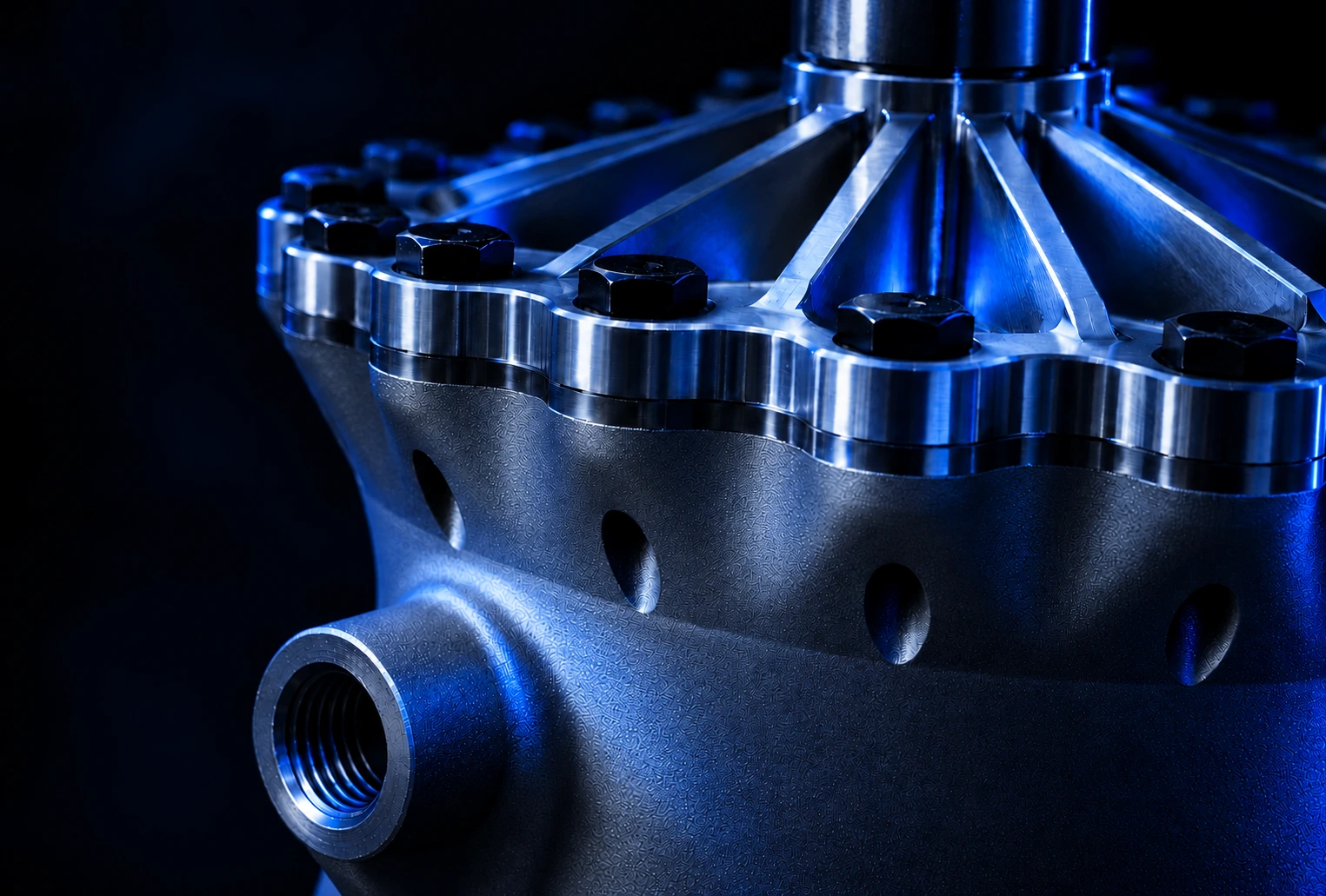
Blue-lit studio visual of an engine assembly and machined flange

Propulsion development

Build on a ground-tested liquid-propellant engine that reached 9 kN peak thrust. Further propulsion development will address the systems and validation required for aircraft integration.

Milestone sequence is indicative. Configuration and timing depend on test results, programme resources and the requirements of each development phase.

A suborbital flight concept

Two jet engines for runway operations, a central rocket engine for the climb, and payload return after a suborbital mission.

01 / DEPARTURE

Jet-powered takeoff

Two jet engines provide takeoff from a suitable existing runway, without a dedicated spaceport.

02 / ASCENT

Rocket-powered ascent

A central rocket engine provides the climb toward the suborbital altitude target.

03 / EXPLORATION

The research mission

The concept supports future microgravity experiments, atmospheric observation and technology testing, without entering orbit.

04 / RETURN

Glide and landing

The vehicle descends and glides back to a runway, designed to return with its payload for recovery and inspection.

05 / REUSE

Inspection and reuse

Inspect, refuel and prepare for another mission.

Proposed mission profile. The integrated spaceplane is a development ambition; propulsion testing is underway.

Discuss your application

Discuss jet-powered platforms, propulsion integration, communications or research-payload testing with our team.

Discuss your application